Curriculum
240+ structured lessons across Grades 1–8, with concepts and challenges that progress with the student.
A structured STEM programme, built around robotics and engineering.
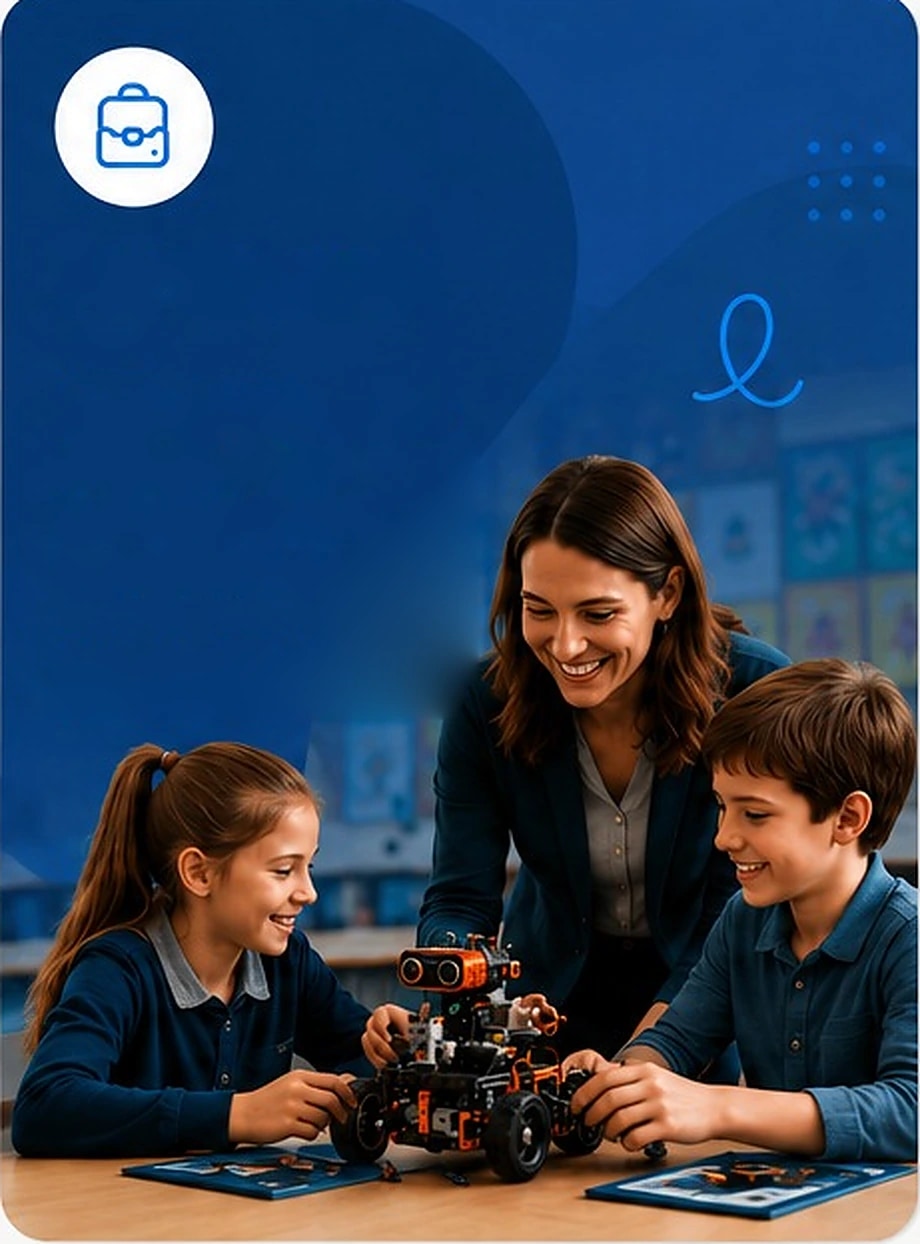
Students encounter technology everywhere. Understanding how it works, however, requires more than watching, reading or following instructions.
ROBITRO complements the existing structure of schools by giving students opportunities to build, test and apply what they learn through robotics, engineering, programming and problem-solving.
The programme is designed to work across different school settings, curricula and levels of experience.
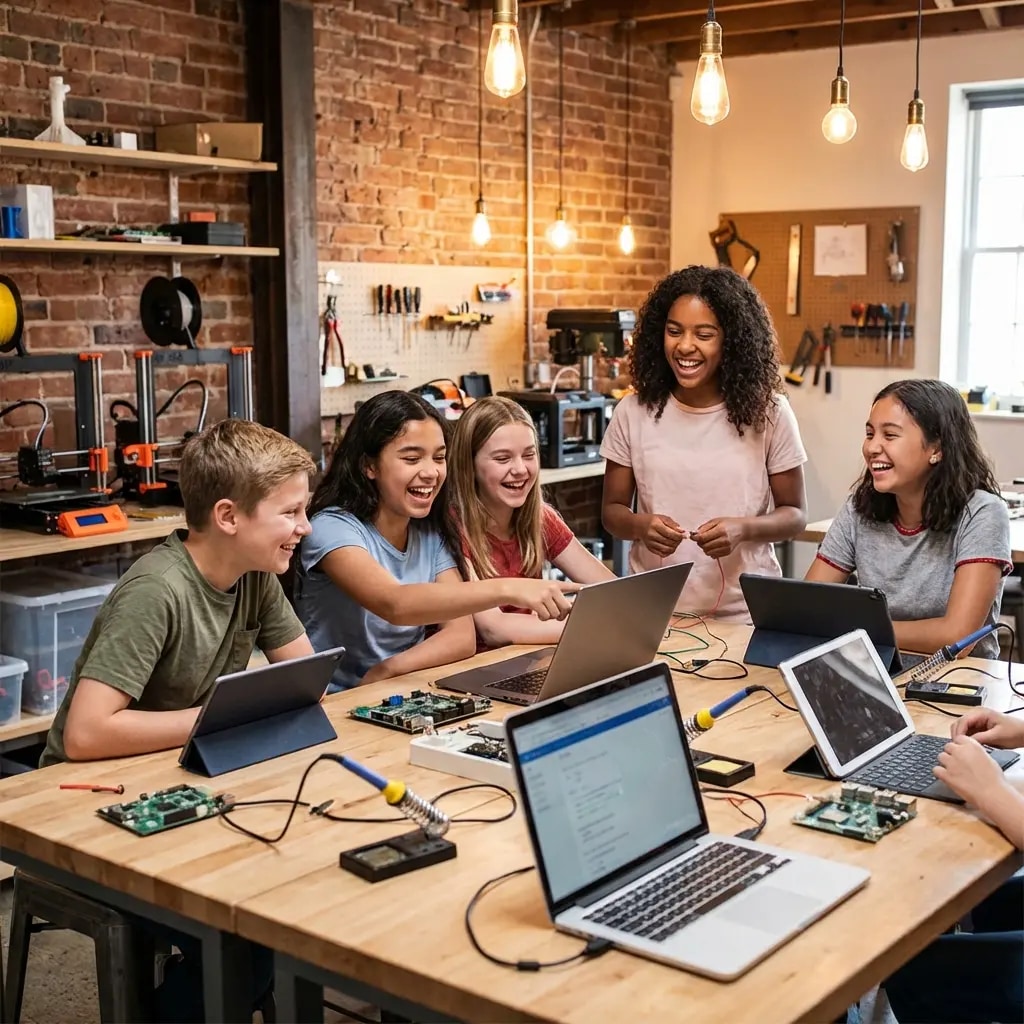
ROBITRO brings together the elements required to make robotics and STEM education a sustained part of school learning.
240+ structured lessons across Grades 1–8, with concepts and challenges that progress with the student.
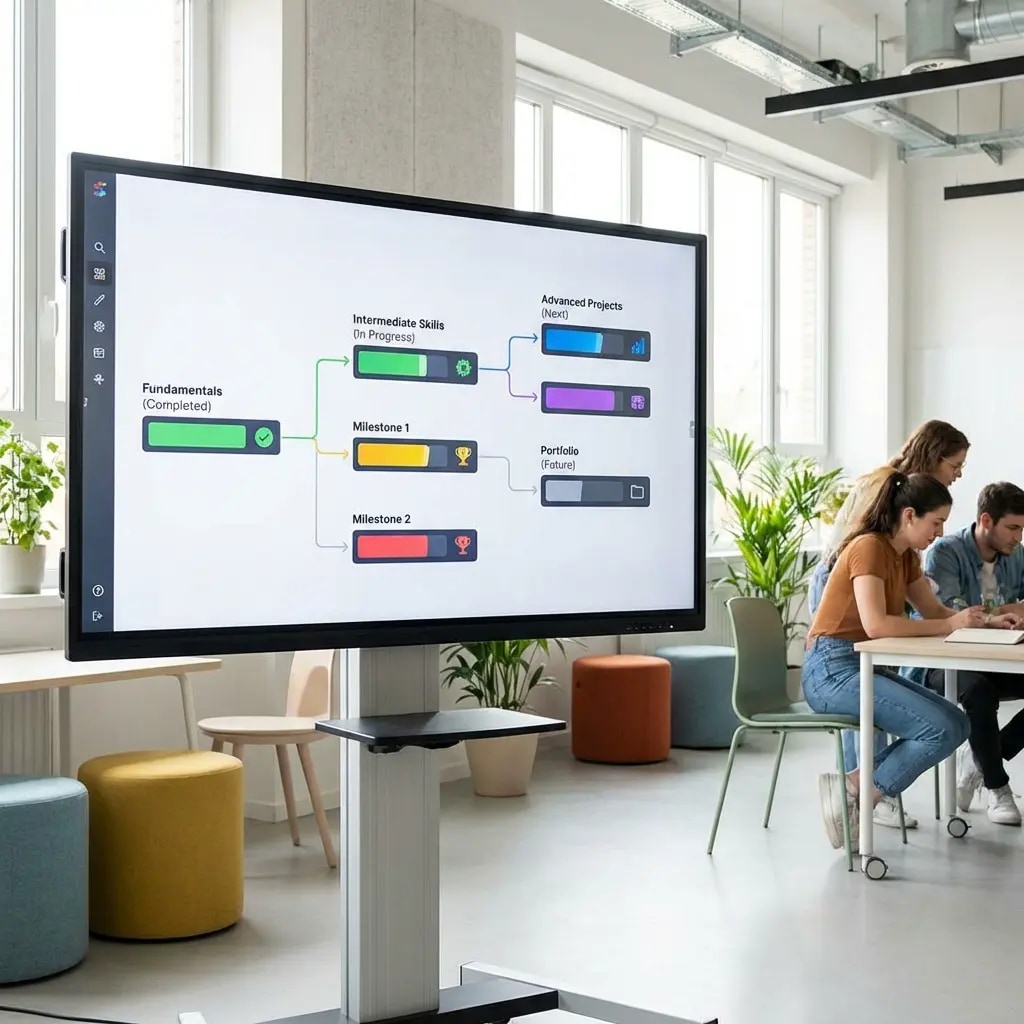
Purpose-designed robotics kits and components for turning concepts into physical builds and working systems.
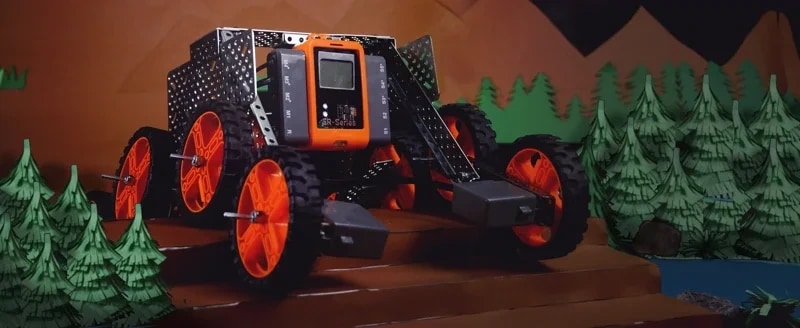
Lesson materials and guidance that provide a clear framework for teaching and learning.
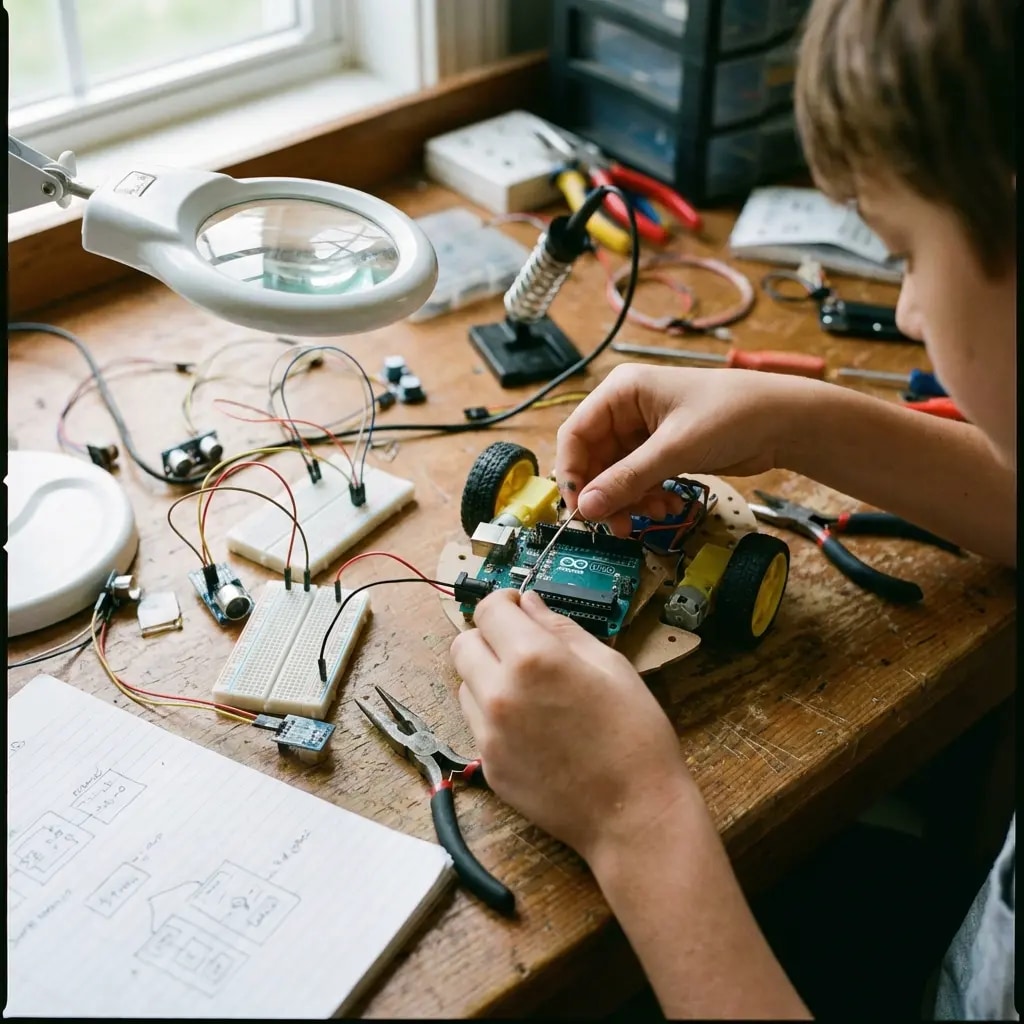
Flexible programme formats that fit the school's timetable, STEM offering or after-school programme.
Training, guidance and ongoing support adapted to the school's chosen delivery model.
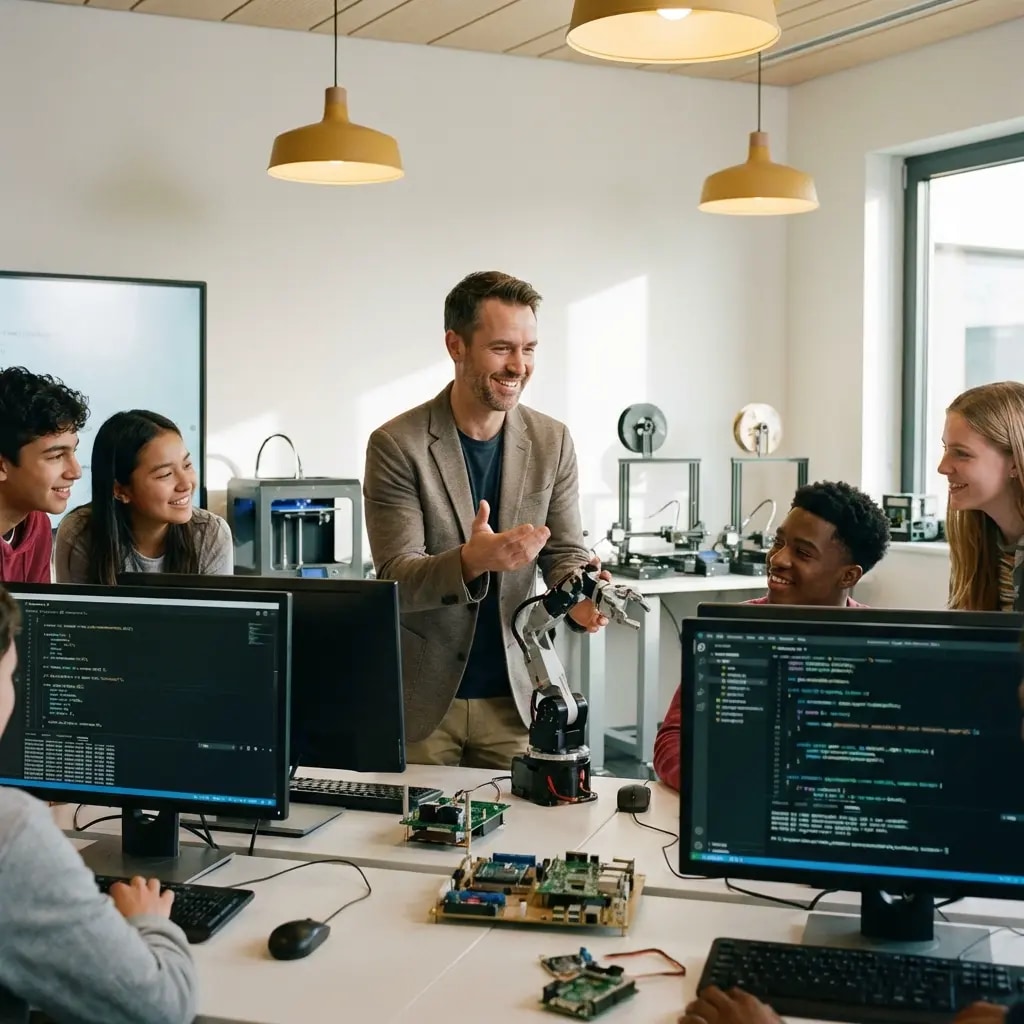
Accessories, spare parts, repairs and replacements to support continued use of the programme.
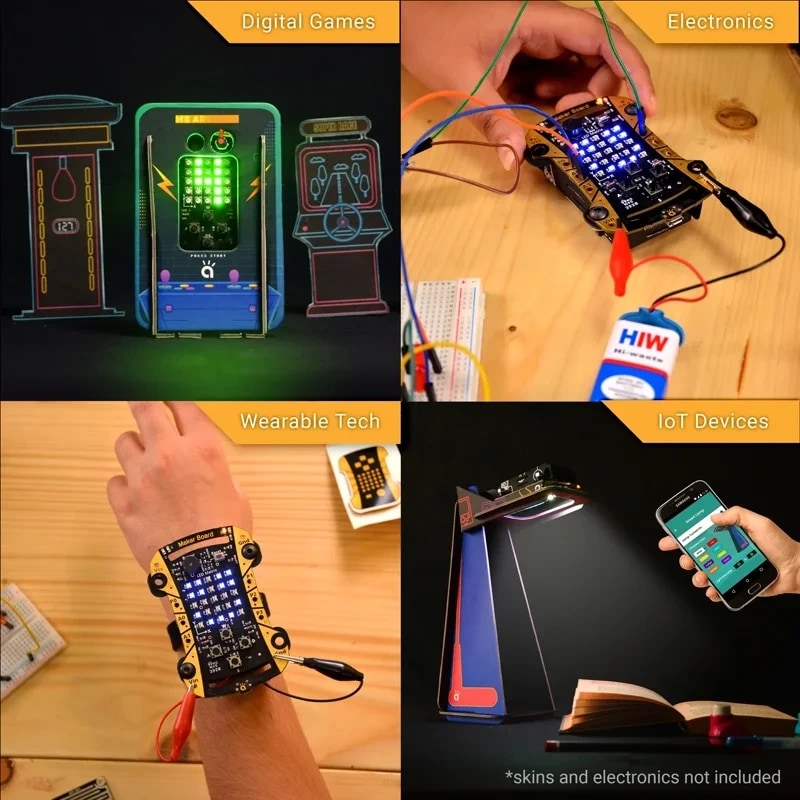
Every ROBITRO course is structured around a progression from understanding a concept to applying it.
Step 1
Step 2
Step 3
Step 4
Step 5
This structure remains consistent across the programme, while the concepts, level of independence and complexity develop with the student's age and experience.
The ROBITRO curriculum is designed as a continuous progression. As students move through Grades 1–8, familiar ideas return in new and more complex forms, allowing understanding to accumulate rather than start over with every course.
GRADES 1–2
Students develop foundational understanding through mechanisms, movement, construction and guided experimentation.
GRADES 3–4
Students begin working with more structured concepts involving mechanisms, electronics, sensors, logic and programming.
GRADES 5–6
Students work more independently with programming, automation and engineering principles, testing how different systems behave.
GRADES 7–8
Students bring together programming, engineering and systems thinking to work through increasingly complex challenges.
240+ structured lessons. One continuous learning progression.
ROBITRO gives students a physical environment in which STEM concepts can be observed, manipulated and tested.
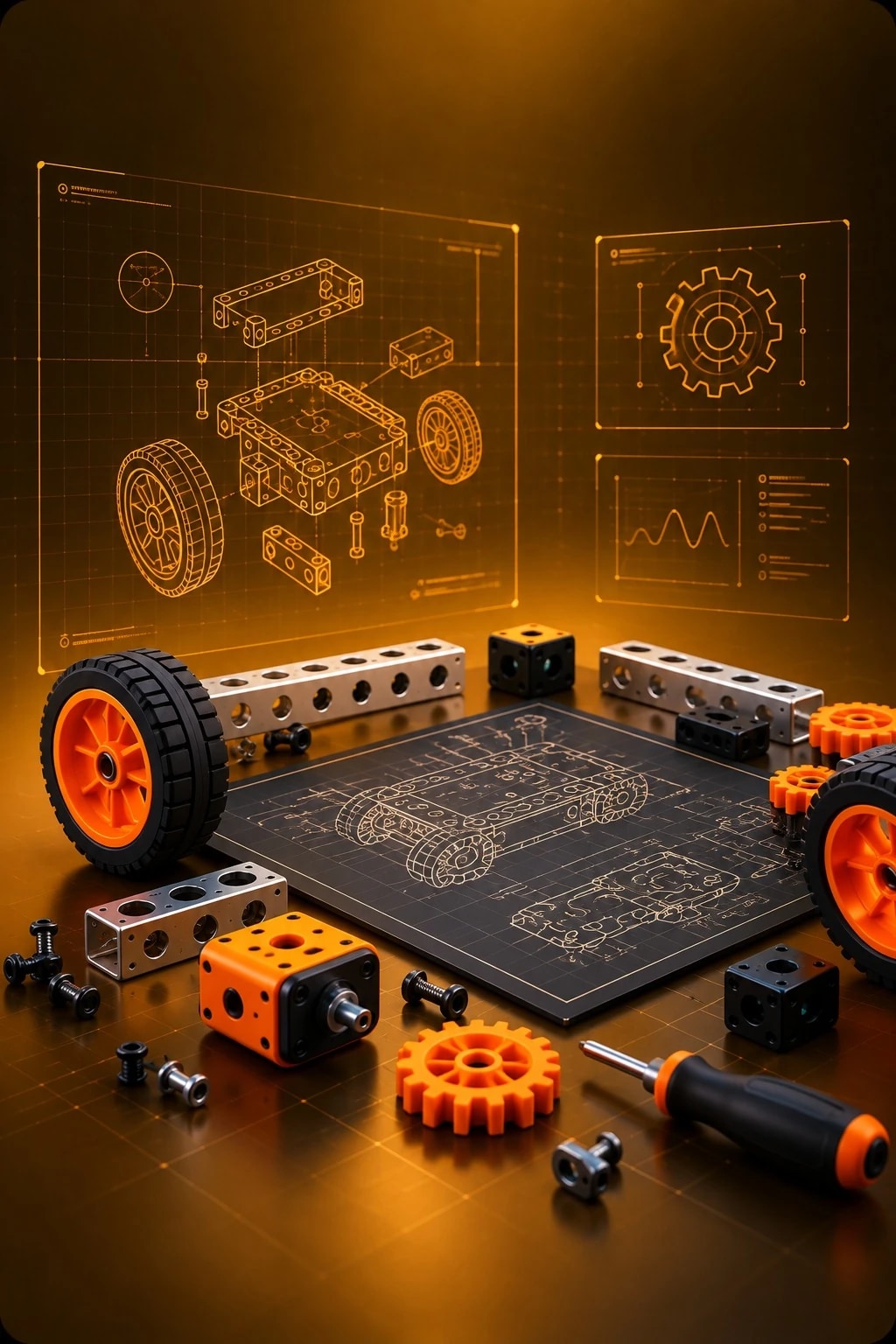
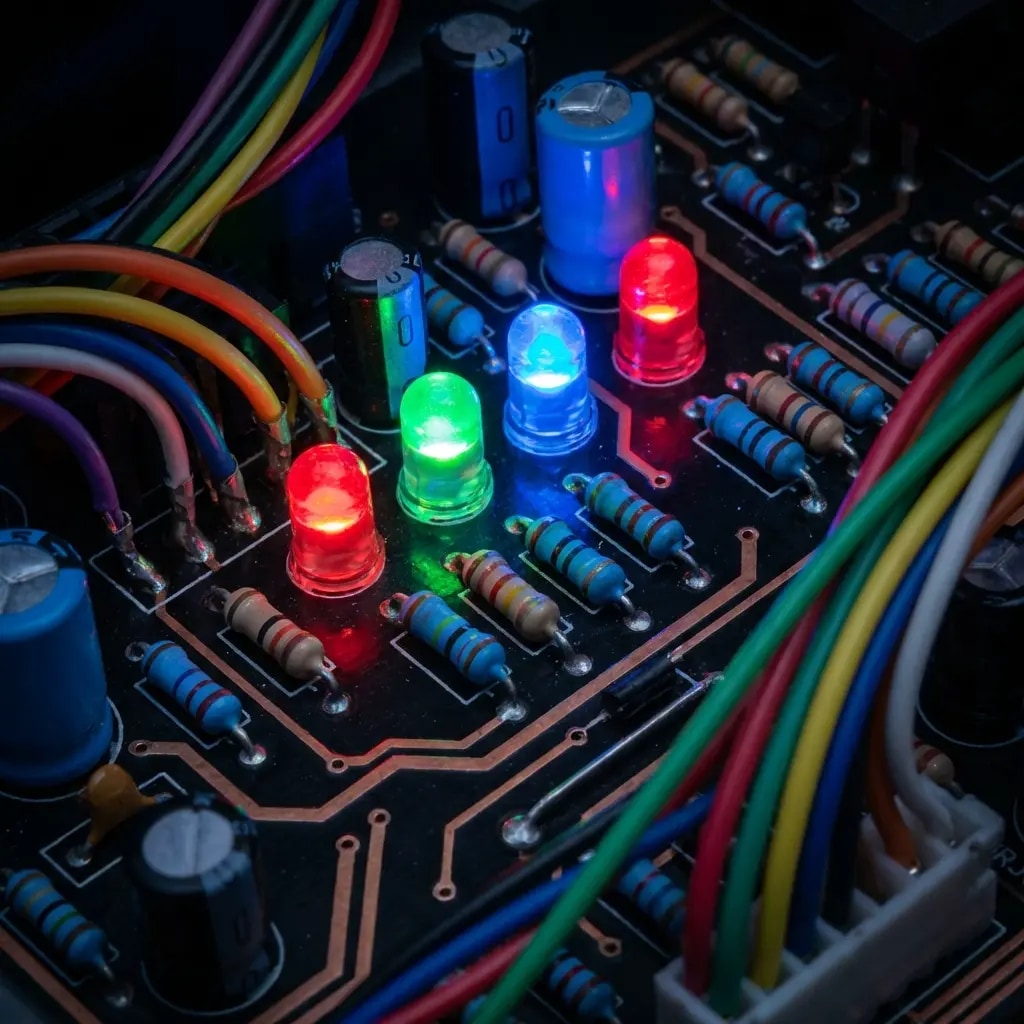
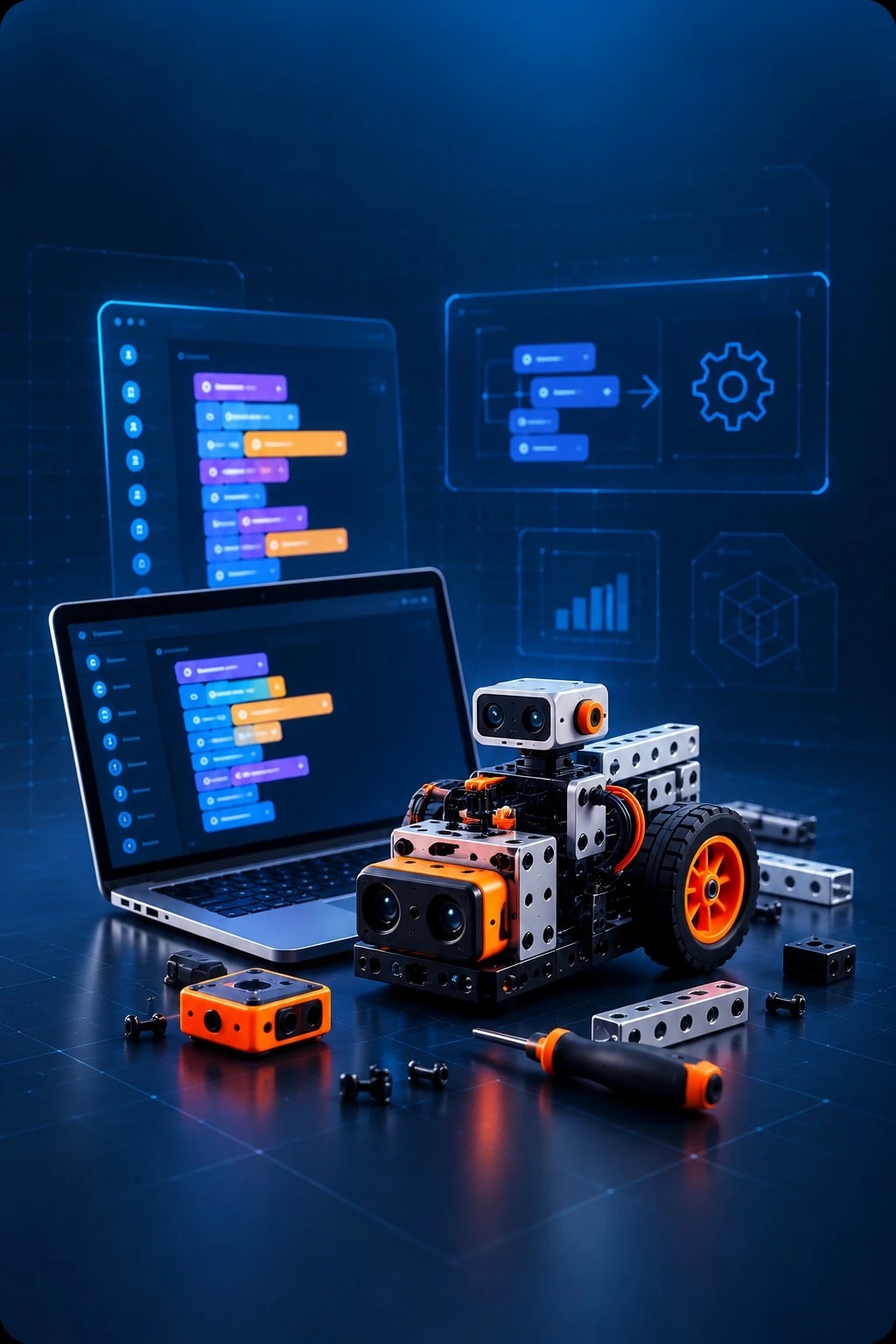
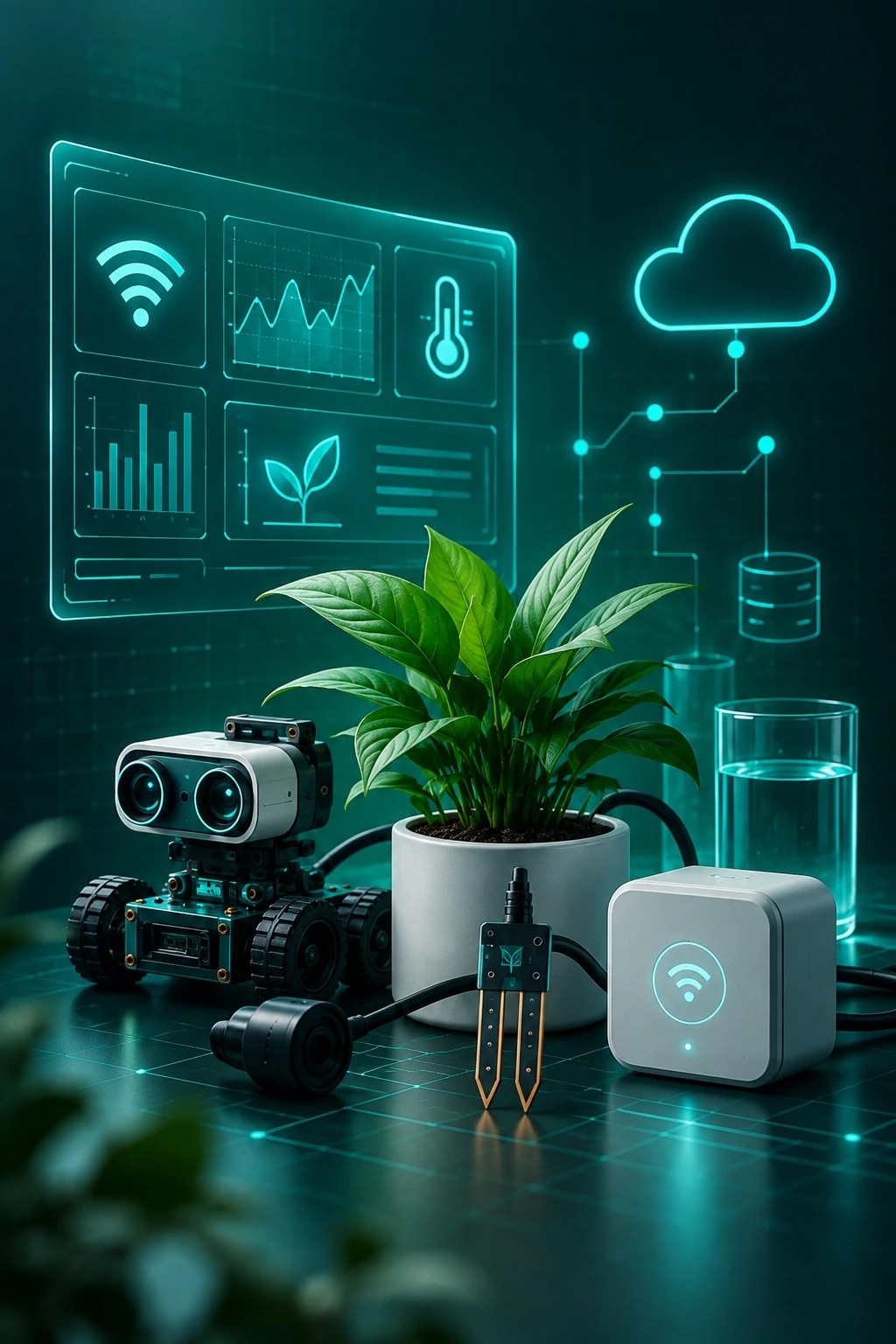
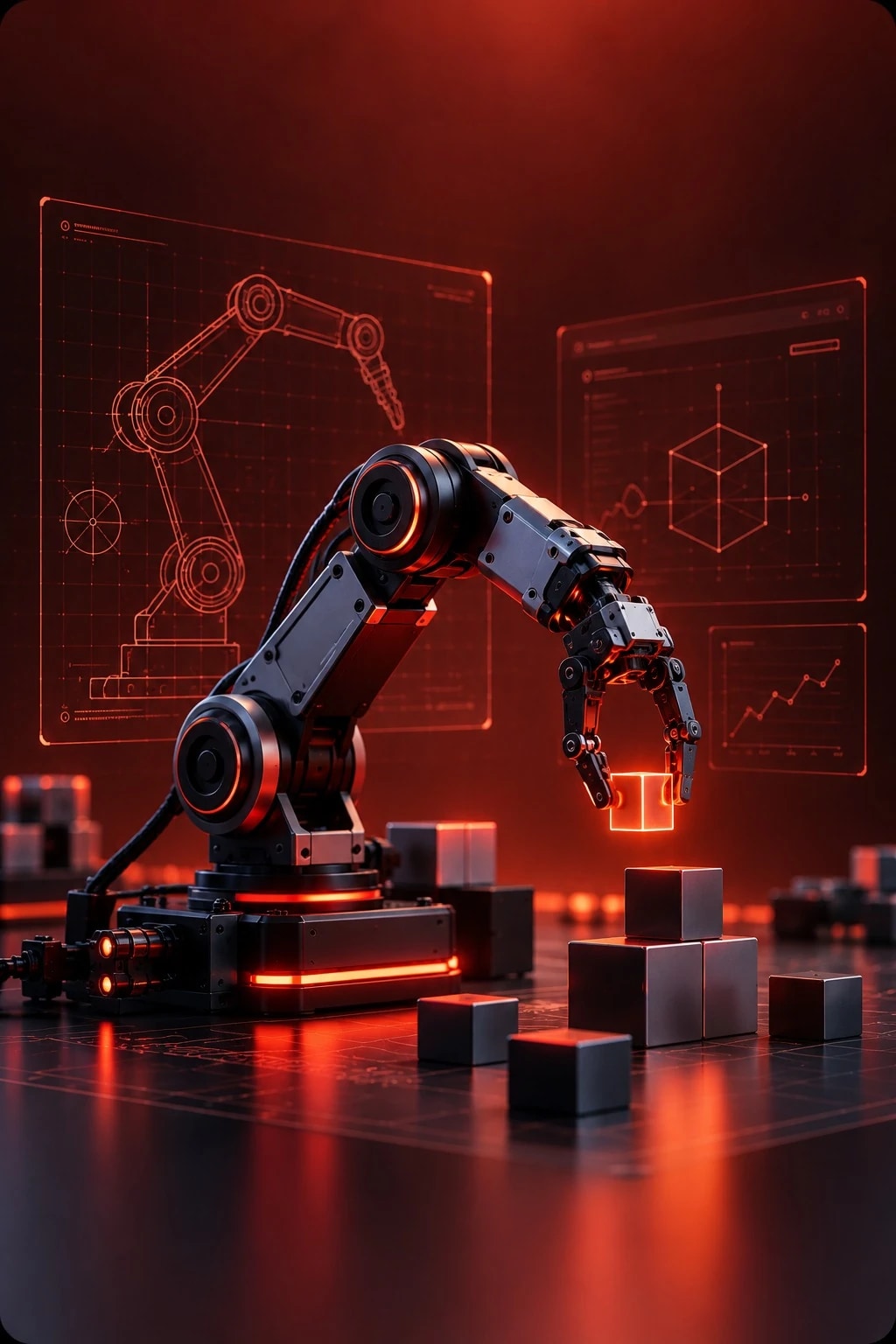
The objective is not to teach these concepts in isolation, but to help students understand how they work together when designing, building and solving.
Every school has its own timetable, infrastructure and educational priorities. ROBITRO can be introduced in different formats to fit the way your school works.
Integrate ROBITRO into regular classroom learning, supported by teacher training, resources and programme guidance.
Introduce a structured robotics and STEM programme alongside your existing academic offering.
Offer ROBITRO outside regular school hours, with programme and instructional support from us.
Build a programme around your school's requirements, including structure, course selection and implementation.
The learning programme remains structured; the way it is delivered can be adapted to the school.
Successful implementation requires more than curriculum and equipment. ROBITRO supports schools across the different stages of delivering and maintaining the programme.
The level and nature of support can be adapted to the school's chosen implementation model.
For educators delivering ROBITRO within the classroom, practical training builds familiarity with the kits, curriculum and lesson structure.
Structured lesson material provides a clear framework for classroom delivery.
Schools receive guidance on implementation and ongoing use of the programme.
Where ROBITRO provides direct delivery, our team can support students through the learning experience.
Accessories, spare parts, repairs and replacements help schools maintain the programme over time.
ROBITRO was built around the belief that technology is best learned by engaging with it directly.
A student should not only know what a sensor does. They should be able to use one, observe it, question its behaviour and find a way to make it part of a working system.